Johnny Depp’s upcoming 2025 release is generating buzz among film enthusiasts who enjoy dissecting production choices, character arcs, and visual storytelling. For experienced hobbyists who track trends, study set design, or simply want a richer viewing experience, this guide offers concrete context, fresh examples, and actionable steps to make the most of the film when it hits theaters.
Understanding the Narrative Context Before the Premiere
Before the first trailer dropped, industry reports hinted that the 2025 project places Depp in a period‑drama set during the early 20th‑century Silk Road trade. Knowing this backdrop helps you anticipate recurring motifs—such as caravans, desert architecture, and cross‑cultural encounters—that will likely influence costume, lighting, and sound design. Bookmark the film’s official press kit and note any historical consultants credited; those names often point to reference books you can skim for deeper appreciation.
Set Design Inspiration: From Bedouin Tents to Screen
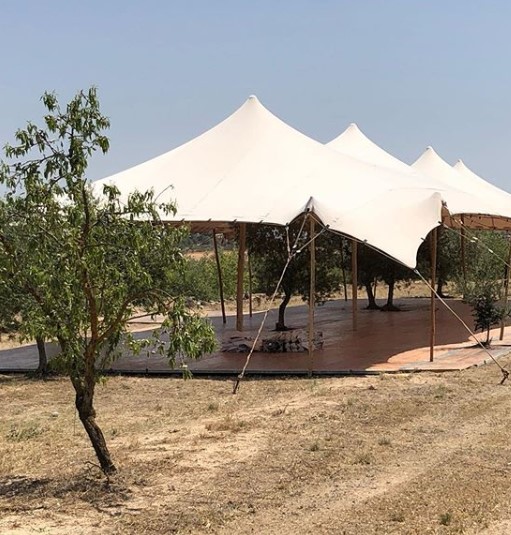
The production team reportedly sourced authentic Bedouin‑style tents to recreate desert caravans seen in the script. By studying the woven canvas, wooden frames, and integrated lanterns, you can spot how these elements translate into cinematic space—soft shadows, natural airflow, and tactile realism. When you watch the film, pause during any tent scenes and compare the on‑screen textures to the real‑world example above; you’ll notice how practical set pieces enhance actor movement and camera angles.
Costume Details That Signal Character Evolution
Depp’s character begins the story in muted, utilitarian garb before adopting richer fabrics as his status rises. Look for the shift from coarse linen to embroidered silks, especially in close‑ups. Hobbyists can replicate these changes in cosplay or model‑making by sourcing period‑appropriate textiles from specialty stores or online archives. Document the color palette (earthy ochres → deep indigos) and share side‑by‑side comparisons on forums to spark discussion.
Audio Cues: How Music and Ambient Sound Build Tension
The soundtrack, composed by a noted world‑music veteran, weaves oud strings with distant desert winds. When a scene transitions from a bustling market to a quiet night inside a tent, the audio drops to a single reed instrument, signaling narrative intimacy. As a viewer, isolate these moments on a streaming platform (if possible) and note the timing of the fade‑out. You can then experiment with similar layering techniques in your own short‑film projects.
Actionable Takeaways for the First Viewing
- Prepare a scene‑log sheet. Create columns for “Location,” “Costume Change,” “Set Detail,” and “Audio Cue.” Fill them in as you watch to build a reference guide.
- Bring a portable notebook or tablet. Jot quick sketches of set pieces—like the Bedouin tent structure—to compare with behind‑the‑scenes footage later.
- Set up a post‑viewing discussion. Invite fellow hobbyists to a virtual meet‑up; each person can present one observation from the categories above.
- Experiment with lighting. Recreate a tent’s soft, filtered glow using LED panels and fabric diffusers; this hands‑on exercise reinforces what you saw on screen.
Where to Find Supplementary Material After Release
Once the film debuts, the studio typically releases a “making‑of” documentary on its official YouTube channel. Those videos often contain interviews with the set‑construction crew, who explain why they chose authentic Bedouin tents over CGI. Save the links, and add them to your scene‑log for a complete reference package. Additionally, trade magazines like Production Design Weekly will publish detailed articles that can deepen your technical understanding.
Johnny Depp’s upcoming 2025 release is generating buzz among film enthusiasts who enjoy dissecting production choices, character arcs, and visual storytelling. For experienced hobbyists who track trends, study set design, or simply want a richer viewing experience, this guide offers concrete context, fresh examples, and actionable steps to make the most of the film when it hits theaters.
Understanding the Narrative Context Before the Premiere
Before the first trailer dropped, industry reports hinted that the 2025 project places Depp in a period‑drama set during the early 20th‑century Silk Road trade. Knowing this backdrop helps you anticipate recurring motifs—such as caravans, desert architecture, and cross‑cultural encounters—that will likely influence costume, lighting, and sound design. Bookmark the film’s official press kit and note any historical consultants credited; those names often point to reference books you can skim for deeper appreciation.
Set Design Inspiration: From Bedouin Tents to Screen
The production team reportedly sourced authentic Bedouin‑style tents to recreate desert caravans seen in the script. By studying the woven canvas, wooden frames, and integrated lanterns, you can spot how these elements translate into cinematic space—soft shadows, natural airflow, and tactile realism. When you watch the film, pause during any tent scenes and compare the on‑screen textures to the real‑world example above; you’ll notice how practical set pieces enhance actor movement and camera angles.
Costume Details That Signal Character Evolution
Depp’s character begins the story in muted, utilitarian garb before adopting richer fabrics as his status rises. Look for the shift from coarse linen to embroidered silks, especially in close‑ups. Hobbyists can replicate these changes in cosplay or model‑making by sourcing period‑appropriate textiles from specialty stores or online archives. Document the color palette (earthy ochres → deep indigos) and share side‑by‑side comparisons on forums to spark discussion.
Audio Cues: How Music and Ambient Sound Build Tension
The soundtrack, composed by a noted world‑music veteran, weaves oud strings with distant desert winds. When a scene transitions from a bustling market to a quiet night inside a tent, the audio drops to a single reed instrument, signaling narrative intimacy. As a viewer, isolate these moments on a streaming platform (if possible) and note the timing of the fade‑out. You can then experiment with similar layering techniques in your own short‑film projects.
Actionable Takeaways for the First Viewing
- Prepare a scene‑log sheet. Create columns for “Location,” “Costume Change,” “Set Detail,” and “Audio Cue.” Fill them in as you watch to build a reference guide.
- Bring a portable notebook or tablet. Jot quick sketches of set pieces—like the Bedouin tent structure—to compare with behind‑the‑scenes footage later.
- Set up a post‑viewing discussion. Invite fellow hobbyists to a virtual meet‑up; each person can present one observation from the categories above.
- Experiment with lighting. Recreate a tent’s soft, filtered glow using LED panels and fabric diffusers; this hands‑on exercise reinforces what you saw on screen.
Where to Find Supplementary Material After Release
Once the film debuts, the studio typically releases a “making‑of” documentary on its official YouTube channel. Those videos often contain interviews with the set‑construction crew, who explain why they chose authentic Bedouin tents over CGI. Save the links, and add them to your scene‑log for a complete reference package. Additionally, trade magazines like Production Design Weekly will publish detailed articles that can deepen your technical understanding.